
Winter has a way of exposing every vulnerability in your home. Cold seeps in through gaps you never noticed, pipes burst in a blizzard, and your heating bill suddenly soars. The good news is that most of these problems are completely preventable – if you take action before the cold weather hits.
This guide includes five essential tips for surviving winter and keeping your entire home safe. Each guide targets a different area, from your roof to your security, so when you’re done reading, you’ll have a clear picture of what needs to be done – and why.
Why Winter-Proofing Matters More Than You Think
Most people think about winter living when it’s cold, which is a little too late. Burst pipes, roof leaks, blocked drains, and heating breakdowns all happen at the worst possible time – usually after the first serious snowfall. And most of these problems cost a lot more to prevent than they actually do.
A little time and effort in the fall will often go a long way in avoiding repair bills, reducing energy costs and ensuring the easy comfort of a warm, dry home all season long.
Tip 1: Sort Out Your Insulation Before the Cold Arrives
One of the most effective things you can do to keep your home safe in winter is to check and improve your insulation – and it starts at the top.
A quarter of your home’s heat escapes through the roof. Even if you already have loft insulation, it’s still worth checking that it meets the recommended depth of around 250mm to 270mm. Insulation that’s been there for decades can shrink or thin out over time, making it much less effective. When installed correctly, loft insulation can last up to 40 years – so it’s a one-time job that pays off over time.
In addition to the loft, think about the walls and floors too. Solid wall insulation, cavity wall fills, and simple draft excluders around doors and windows also make a real difference. If there’s a drought, a candle placed near the edge of a window frame or door will flicker – meaning cold air is coming in and warm air is going out.
Thermal curtains are another underrated trick. Hanging thick, insulated curtains in rooms with large windows – especially on north-facing walls – can trap heat in and keep cold out, without any major work or expense.
The bottom line: Any heat you keep inside your home is money you’re not spending replacing.
Tip 2: Protect Your Pipes from Freezing
Frozen pipes are one of the most common – and most expensive – winter disasters that homeowners face. When water freezes inside pipes, it expands and puts a lot of pressure on the pipe walls. This can cause pipes to burst or burst, and when the ice eventually melts, the damage will show up as flooding inside your home.
Areas to watch out for are pipes that sit in unheated spaces – lofts, garages, under floors or near external walls. These are at the highest risk when temperatures drop below freezing.
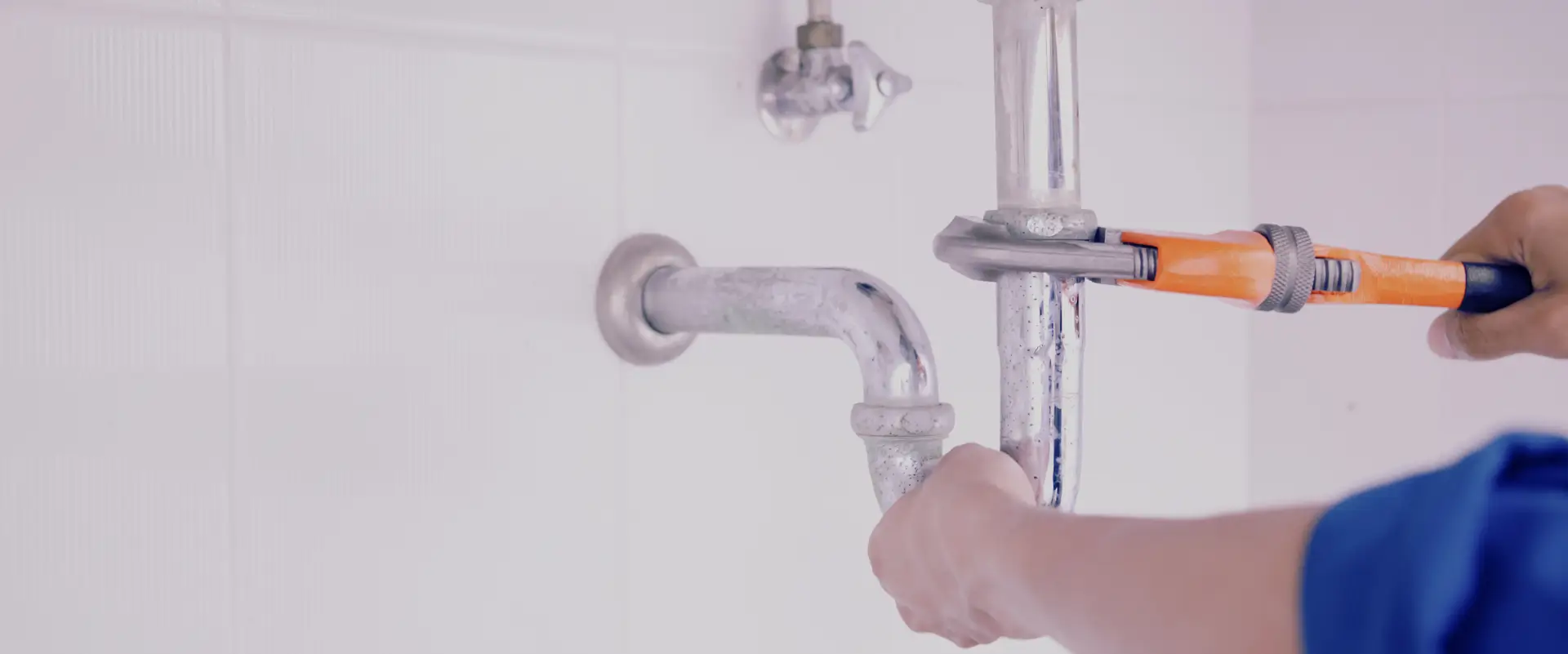
Wrapping exposed pipes in foam insulation sleeves is cheap, quick and very effective. You can buy foam pipe lagging from any DIY store and fit it yourself in an afternoon. Pay extra attention to outside taps – these can collect ice that can travel back into the house with the pipes. Fitting a tap jacket for the winter or wrapping the tap in insulating material will reduce this risk.
It’s also worth knowing where your main stopcock (water shut-off valve) is before something goes wrong. It’s usually under the kitchen sink, near the front door or outside on the sidewalk. Practice turning it off so you can act quickly in an emergency – turning it clockwise shuts off the water.
If you’re going away in winter, don’t turn the heating off completely. Keeping it set to at least 14°C when the house is empty is enough to prevent pipes from freezing.
Read Next: How to Maintain and Enhance Your Home’s Exterior Curb Appeal
Tip 3: Service Your Heating System and Bleed Your Radiators
Your boiler works harder in winter than at any other time of year. It’s under more load, and often without much rest. That’s why it needs a check before the season starts – not during it.
Booking an annual boiler service in early autumn means a qualified engineer checks the whole system while there’s still time to fix anything that needs attention. Pressure is one of the easiest things to monitor yourself – your boiler should be reading between 1 and 1.5 bar on the gauge. If it drops below that, the heating won’t work properly and the boiler could cut out on a cold night.
When you’re thinking about your heating system, don’t ignore the radiators. If the radiator feels hot at the bottom but cold at the top, there’s air trapped inside which is preventing the hot water from filling completely. Bleeding a radiator releases that air. It takes about five minutes for each radiator and keeps the entire system running more efficiently, reducing the energy needed to heat your home. A radiator key costs next to nothing and is one of the tools every homeowner should have.
If you have a chimney or wood stove, now is also the time to clean it. Creosote and soot build up inside chimneys over time and pose a serious fire hazard. An annual cleaning before winter use is a safe and sensible approach.
Tip 4: Check Your Roof and Clear Your Gutters
It’s the first step in protecting your home from whatever winter throws at it. All it takes is a crack or loose tile for rainwater or melting snow to get in. Once water has penetrated the roof structure, the damage can spread quickly and be very costly.
If you haven’t had your roof inspected recently, fall is a good time to have it inspected-especially if you notice stains on the interior roof or damp patches on the walls after a heavy rain. For flat roofs in particular, hot summers can wear away the protective membrane, leaving cracks that become serious problems when winter rains and snowstorms arrive.
Gutters and downpipes are just as important, and they’re all too easy to ignore. Fall leaves quickly clog gutters, and if they’re blocked when heavy rains arrive, the water has nowhere to go. It flows over the top, runs down the exterior walls, and mixes with the masonry. If left unchecked, this can lead to moisture problems, damage to eaves and fascia boards, and water intrusion.
A good rule of thumb is to clean your gutters at least twice during the colder months – once in late fall after the leaves have fallen, and once in January to clear out anything blown in by winter winds. It’s easy to keep ground-level gutters and downspouts clean yourself, but for work at height, it’s safer to hire a professional. At The Handy Home Pro, we always remind homeowners that many insurance claims for water damage are denied if the damage is caused by a blocked gutter or poor maintenance. Staying on top of it protects both your home and your policy.
Tip 5: Upgrade Your Home Security for the Darker Months
Here’s one thing most winter-proofing guides overlook: winter is the peak burglary season. Long, dark evenings give thieves more protection, and many people become more predictable in their daily lives. Research shows that December and January are the months when burglary rates are highest – so improving your home security in winter is a real and important part of keeping your home safe.
The simplest and most effective deterrent is exterior lighting. Motion-activated security lights at the front and back of your home will scare and discourage intruders. They don’t have to be expensive or complicated – even basic PIR-triggered lights make a property much less attractive to those looking for an easy target.
Video doorbells have become very popular for good reason. They let you see and talk to anyone who comes to your door, whether you’re home or not, and they automatically store footage. Combine this with a CCTV system that covers the rest of your property and you have comprehensive surveillance operating around the clock.
Smart home technology takes this a step further. A smart thermostat allows you to monitor and control your heating remotely, which is useful if you’re away – but smart security systems can also send you real-time alerts if motion is detected, control outdoor lights on a schedule to simulate occupancy, and even automatically contact emergency services if a serious threat is detected.
On a simple level: avoid leaving keys, handbags or valuables visible from windows or near letterboxes. A thief who might see your car keys on a side table doesn’t even need to break in to do damage. Keep valuables out of sight, and consider a small home safe for documents and irreplaceable items.
Handy Home Pro recommends treating security as a whole systems approach rather than a single fix – lights, cameras, secure locks, and smart technology each add a layer, and together they create a home that’s really hard to target.
Further Reading: Eco-Friendly Home Repairs
A Quick Winter-Proofing Checklist
Before winter sets in, run through these essentials:
- Check loft insulation depth and add more if it is below 270mm
- Lag exposed pipes in the loft, garage, and near exterior walls
- Fit outdoor tap jackets or wrap external taps
- Find and practise using your main water stopcock
- Book an annual boiler service – aim for September or October
- Bleed all radiators to release trapped air
- Check boiler pressure (should be 1-1.5 bar)
- Clear gutters after autumn leaves fall and again in January
- Inspect the roof for cracked or loose tiles
- Install motion-activated outdoor security lights
- Set up or check video doorbell and CCTV coverage
- Seal draughts around windows and doors with weatherstripping or caulk
- If going away, keep heating set to at least 14°C
Frequently Asked Questions
Early autumn – September or October – is ideal. This gives you time to book tradespeople (who get busy quickly as winter approaches), fix anything that needs attention, and get your heating running smoothly before the temperature really drops.
The recommended depth is between 250mm and 270mm. You can check this yourself with a ruler or tape measure. If it is significantly below that, topping it up is a worthwhile investment that pays back in reduced heating bills.
Do not pour boiling water on it – the sudden temperature change can crack the pipe. Instead, gently warm the area with a hairdryer on a low setting, working from the tap end towards the rest of the pipe. Turn off the main water supply first in case the pipe has already cracked and the damage only becomes visible once it thaws.
Yes – and not only because of the energy savings. The ability to monitor and adjust your home’s temperature remotely is particularly valuable in winter, especially if you go away or your routine changes. Some smart thermostats also alert you if the temperature in your home drops unexpectedly low, giving you an early warning of a potential heating failure or frozen pipe.
Unfortunately, yes. Longer nights and predictable routines make winter the highest-risk season for residential burglaries. Simple, affordable measures – outdoor lighting, visible cameras, secured locks – dramatically reduce the risk and give you peace of mind.
Yes. Many boiler faults develop gradually and are not obvious until the system is under pressure. An annual service by a Gas Safe registered engineer checks the internal components, efficiency, and safety systems. Catching a small problem in October is far better than discovering a bigger one in January.
Conclusion:
Winter-proofing your home does not have to be overwhelming. Work through each of these five areas – insulation, pipes, heating, roof and gutters, and security – and you set yourself up for a warmer, safer, and more cost-effective season. The earlier you start, the smoother the process. And once it is done, you can actually enjoy winter instead of worrying about what it might throw at your home next.