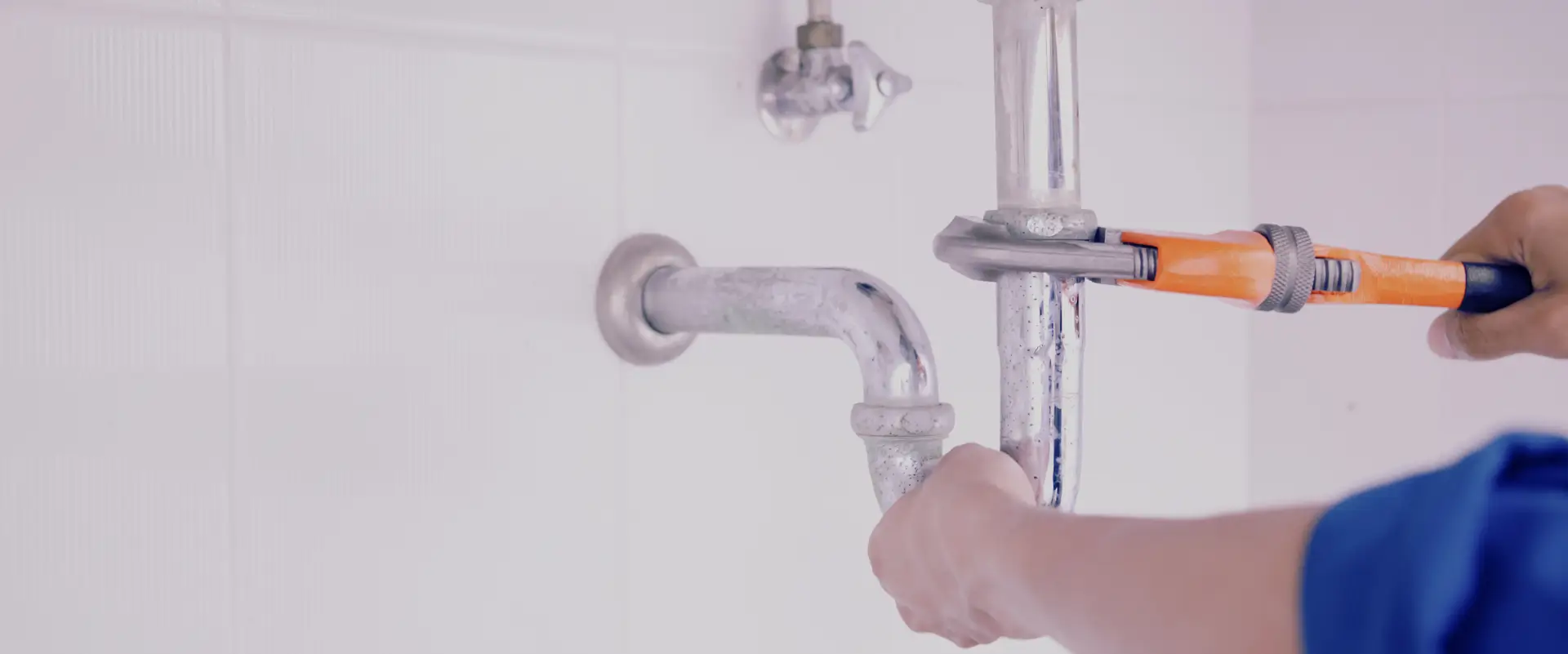

Every home needs a little maintenance from time to time. A leaky faucet here, a cracked tile there, a door that sticks every winter – these things are a normal part of owning or renting a home. The good news is that most everyday home repairs don’t require a professional. With the right tools, a little knowledge and a little patience, you can handle most of them yourself.
This guide walks you through everything you need to know – from setting up your toolkit to moving into a new property, to managing specific repairs room-by-room, to knowing when to call in a professional and keeping your home in good condition all year round.
Why Home Repairs Matter More Than You Think
Many people put off small repairs because they seem minor. But here’s the thing – small problems can turn into big (and expensive) problems if you leave them too long. A small leak in the roof becomes a roof problem. A small wet patch turns into mold. Cracked window seals lead to condensation and heat loss.
Research in the UK shows that the average household spends around £8 per week on home maintenance and repairs. This figure works out to over £400 a year – and that’s just for routine maintenance. When major issues are overlooked, costs add up. Taking early action can save you money in the long run.
Step 1: Get Organised When You First Move In
If you’ve just moved into a new home, the first thing you need to do before you start making any repairs is to get to know the property. This may seem obvious, but many homeowners and renters skip this step – and then panic when something goes wrong.
What to look for and note immediately:
- Fuse box (customer unit) – This controls the electrical circuits in your home. If a switch trips, you need to know where this is to reset it.
- Stopcock – This is the valve that controls your main water supply. In the event of a flood or burst pipe, turning it off will immediately shut off the water. It is usually found under the kitchen sink or where the water pipe enters the house.
- Gas and electricity meters – Take photographs of the meter readings the day you move out. This prevents you from being charged for energy used by the previous residence.
- Thermostat and boiler controls – Understand how to turn the heating on and off and adjust the temperature.
- Appliance manuals and warranty information – Keep these in one place so you can quickly refer to them when something stops working.
Making a simple list of where all these things are can save a lot of stress during an emergency.
Continue Reading: How to Efficiently Approach and Manage Repairs for Your Home
Step 2: Build Your Home Repair Toolkit
You cannot fix anything without the right tools. You do not need to spend a fortune – a basic toolkit covers most everyday repairs around the home. Here is what to keep handy:
- Flathead and crosshead screwdrivers (various sizes)
- Adjustable spanner and wrench
- Hammer
- Power drill with a basic set of drill bits
- Spirit level
- Steel measuring tape and ruler
- Plunger and drain auger (for blocked drains)
- Abrasive sandpaper
- Plumber’s tape
- Release or penetrating oil (for stuck or rusted parts)
- Painter’s tape
- A torch or headlamp
- Talcum powder (useful for squeaky floorboards)
At The Handy Home Pro, one thing we always suggest is having a dedicated toolbox instead of spreading tools around the house. Knowing exactly where everything is means repairs can be done quickly and with less frustration.
Step 3: Handle Electrical Power Issues Safely
Before diving into any physical repairs, it helps to know how to deal with one of the most common household problems – a power outage. When your home’s electricity supply stops working partially or completely, it can be a worrying situation, but it’s often something you can fix yourself.
Start by checking to see if your neighbours have been affected. If they also don’t have power, the problem is in the supply network rather than your home. Call your electricity distribution company using the number on their website or your bill.
If the problem is only in your home, go to the consumer unit (fuse box). You will see one or more trip switches in the “off” position. Reset them by switching them back to “on”. If the switch keeps tripping repeatedly, it points to a fault in the circuit – a plugged-in kettle, heater or other appliance could be the cause. Try unplugging everything on that circuit and resetting it again. If it holds, plug things back in one at a time until you find the cause of the trip.
IMPORTANT: Never attempt to work on your actual wiring or change fuses in your consumer unit. Electrical work beyond resetting trip switches must be done by a qualified electrician.
Step 4: Fix Blocked Drains and Toilets
A blocked drain or toilet is one of the most unpleasant home repair tasks – but also one of the most satisfying to fix yourself. Most blockages are caused by a buildup of hair, grease, soap scum, food debris or foreign objects.
For a clogged sink, start with a plunger. Place it firmly over the plughole, making sure there is enough water in the basin to cover the rubber cup, and push down and pull up firmly several times. This pressure shift quickly clears many blockages.
If the plunger doesn’t work, try pouring a mixture of hot water and washing-up liquid down the drain. For stubborn build-ups, the blockage can be broken up or pulled out by inserting a drain auger (a flexible wire tool) into the pipe.
For blocked toilets, the same plunger method applies. Use a toilet-specific plunger with a flange (a rubber extension at the bottom) for a better seal. Insert it into the drain at the bottom of the bowl, press down slowly to prevent splashing, then pull up quickly. Repeat until the blockage is clear.
If you have cleared the visible blockage but the drain is still flowing slowly, the problem may be further down the pipe and may require a professional drain company to investigate.
Step 5: Tackle Decorating Tasks – Regrouting and Wallpaper Removal
Re-grouting is one of the most rewarding types of home renovation because you see the results right away. Two of the most common decorating tasks are re-grouting tiles and removing old wallpaper.
- Regrouting tiles gives a bathroom or kitchen a fresh look without having to replace the tiles. Start by covering the surfaces with a dust sheet. Use a grout rake to carefully remove the old grout from between the tiles – take your time to avoid scratching the tile surface. Once you’ve cleaned up the debris, mix your new grout according to the packet instructions. Using a grout float, press firmly into the joints, working at an angle. Wipe off the excess with a damp sponge after about 30 minutes, before it hardens completely.
- Removing wallpaper begins by gently scoring the surface using a scoring tool. This will allow the water or wallpaper stripper to soak in. Mix warm water with a small amount of washing-up liquid in a spray bottle, or use a purpose-made wallpaper stripping solution. Apply it liberally and let it soak in the water for a few minutes before peeling the wallpaper off in strips. Stubborn areas can be re-soaked and loosened with a flat scraper. Always work slowly around corners and edges to avoid digging into the plaster underneath.
Step 6: Know the Safety Rules for DIY Drilling and Wall Work
Drilling on walls is one of the most common DIY tasks – putting up shelves, hanging pictures or fitting curtain rails. But it’s also one place where mistakes can be serious if you don’t take the right precautions.
Before drilling anywhere, check for hidden hazards behind the wall. Pipes and cables often run vertically and horizontally through switches, sockets and radiators. Use a cable and pipe detector (available at any hardware store) before placing a drill bit anywhere near a wall.
In older homes built before 2000, certain materials such as Artex ceilings, floor tiles and soffits are also likely to contain asbestos. Asbestos is safe if left undisturbed, but drilling or cutting into it can release dangerous fibres. If you are unsure about a material in an older home, have it tested before starting work.
Similarly, homes built before the 1980s may contain lead paint. If the paint is in good condition and you are not sanding or stripping it, the risk is low. However, removing old paint with heat tools or dry sanding without protection is dangerous. Use the wet method or, if you are dealing with large areas of old paintwork, hire a professional.
Step 7: Complete an Annual Home Maintenance Checklist
Prevention is better than cure. Taking a few hours to inspect your home from top to bottom each year can help you identify problems before they become emergencies. Here is a reasonable annual checklist:
Outside the home
- Check the roof for missing, cracked, or slipped tiles
- Clear leaves and debris from gutters and downpipes
- Inspect the exterior walls for cracks or gaps in mortar
- Check window and door frames for rot or gaps in the sealant
Inside the home
- Test smoke alarms and carbon monoxide detectors – replace batteries if needed
- Check under sinks and around toilet bases for any signs of dampness or slow leaks
- Bleed radiators to remove trapped air and improve heating efficiency
- Inspect the loft for any signs of damp, leaks, or pests
- Check that all windows open and close properly and that locks work
Plumbing and heating
- Turn all isolation valves under sinks on and off once a year to prevent them from seizing
- Check the boiler pressure and top it up if it has dropped below the recommended level
- Look for any signs of staining or discolouration around pipe joints
Read More: How to Choose the Right Contractor for Your Home Repair Projects
Step 8: Know What You Should Not DIY
Part of being a good home-repairer is knowing your limits. There are certain jobs that must be done by a qualified professional, not just because they are difficult, but because doing them incorrectly can be genuinely dangerous – and in some cases, illegal.
- Gas work – Any work on gas pipes, boilers, or gas appliances must be carried out by a Gas Safe registered engineer. This is not optional – it is a legal requirement in the UK.
- Major electrical work – Installing new circuits, consumer units, or outdoor sockets must be done by a qualified electrician. This type of work requires a completion certificate to show it meets building regulations.
- Structural changes – Knocking down or altering walls (especially load-bearing ones) requires proper assessment and often planning permission. Always consult a structural engineer or architect before starting.
- Flat roof or chimney repairs – Working at height carries serious risks. Roofing and chimney work should be left to professionals with the right equipment and training.
For major tasks, The Handy Home Pro always recommends using registered and verified tradesmen. Check that they are from a recognised scheme and ask to see proof of qualifications before starting any work.
Common Repairs You Can Definitely Do Yourself
To wrap up, here is a quick summary of repairs that most homeowners can handle without professional help:
- Replacing a tap washer or fixing a dripping tap
- Unblocking a sink or toilet with a plunger
- Regrouting bathroom or kitchen tiles
- Removing and replacing old wallpaper
- Patching small holes in walls with filler
- Tightening loose door handles or hinges
- Resetting a tripped fuse switch
- Bleeding a radiator
- Fixing a squeaky floorboard with talcum powder
- Touching up paintwork on walls and skirting boards
None of these require specialist training. With a basic toolkit, a little care and the confidence to try, you can keep your home looking and working at its best – without spending a fortune on call-out fees.
Frequently Asked Questions:
A basic set of screwdrivers, an adjustable wrench, a hammer, a drill, a spirit level, and a measuring tape cover the most common tasks. Add a plunger and some filler paste and you’re well-equipped for everyday repairs.
Load-bearing walls are structural and support the weight of the floor or ceiling above. In general, walls that run at right angles to floor joists are more likely to be load-bearing. If you’re not sure, always consult a structural engineer before doing any major work.
Go to your customer unit and look for any switches in the “off” position. Reset them. If it trips again, unplug all appliances on that circuit and reset them. Plug in appliances one at a time to find the faulty one.
Yes, removing most wallpaper is a safe DIY task. The main risk in older homes is disturbing the lead paint underneath. If the walls were painted before the 1980s, use the wet scraping method instead of dry sanding, and consider wearing a mask as a precaution.
A thorough inspection once a year is a good habit. You should also do a quick visual scan after severe weather events – heavy rain, storms or hard frost – as these can cause or worsen existing problems.
If the plunger and basic clearing don’t solve the blockage, or if multiple drains in the house are slow or backing up at the same time, the problem is likely deeper in the main drain. That’s the point of calling a professional drainage company.