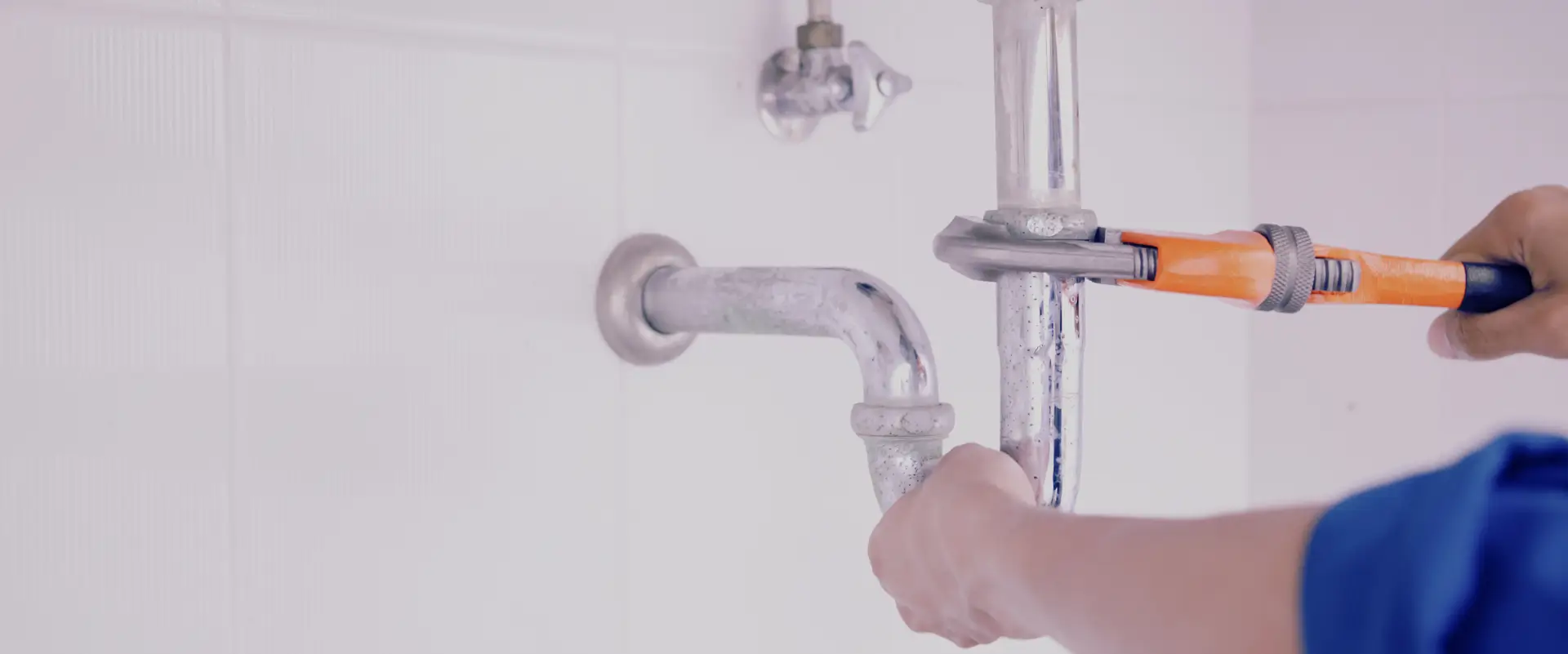

Owning a home is one of the best feelings in the world. But with it comes a big responsibility-keeping it in good shape. Things break, wear out, and need attention, and if you ignore the little things, they quickly turn into big (and expensive) things.
The good news is that managing home repairs doesn’t have to be stressful or overwhelming. With the right approach, you can stay on top of things without them taking over your life. This guide walks you through everything-from spotting problems early to creating a smart budget and knowing when to call in a professional.
Why a Maintenance Plan Actually Matters
Many homeowners only tackle repairs when something breaks completely. That reactive approach almost always ends up costing more time and money than planning.
Think of it this way: Without any kind of system, small problems quietly accumulate in the background. A small roof leak ignored for six months becomes a damaged roof. A slow drain becomes a blocked pipe. When you pay attention, you’re tackling a much bigger job than if you’d caught it before.
A simple plan-knowing what to check, when to check, and how to respond-keeps problems from getting worse. It also gives you a clear picture of what your home really needs at any given time. It’s not just about saving money; it’s also about keeping your home safe and comfortable for everyone who lives in it.
Start With a Thorough Home Inspection
Before you can tackle repairs, you need to know what needs to be fixed. The smartest first step is to properly walk through your home, both inside and out.
Go through each room and look carefully for signs of trouble. These include cracks in walls or ceilings, damp patches, peeling paint, water stains, hard or broken windows, loose fixtures, and any areas where the floor feels soft or bouncy. Outside, check the roof for missing or cracked tiles, clear debris from your gutters, and look at the condition of any walkways, fences, or exterior walls.
Pay special attention to moisture. Moisture is one of the most common and destructive problems a home can have. Whether it’s caused by poor ventilation, leaking pipes, or rising damp in the ground, it can spread quickly and cause real structural damage over time. Catching it early – and improving ventilation or calling a professional – is much cheaper than dealing with a full-blown moisture problem later.
Write everything down as you go. Your checklist becomes the foundation of your repair plan.
Prioritise: Not All Repairs Are Equal
Once you have your list, the next step is to decide what really needs to be done first. Not every repair is urgent, and trying to tackle everything at once leads to burnout and overspending.
An easy way to think about this is to categorize repairs into three groups. First, there are urgent repairs – anything that affects safety, keeps water out, or could deteriorate significantly if left alone. These include roof leaks, electrical problems, broken heating in the winter, structural cracks, or serious plumbing problems. These go straight to the top of the list.
Second, there are important but non-urgent repairs – things that are already a problem but won’t get worse quickly. A stiff door, cracked tile, or a dripping faucet fit in here. These are jobs that you plan and schedule over the next few weeks or months.
Third, there are low-priority improvements – cosmetic fixes, upgrades, or beautifications that don’t affect the function of the home. A fresh coat of paint, updating a light fixture, or replacing worn-out carpet. Wait until time and budget allow.
Keeping this framework in mind can save you from spending time and money on cosmetic fixes while the real structural problem quietly worsens in the background.
Build a Realistic Budget for Home Repairs
One of the main reasons why home repairs can be overwhelming is the financial side. Unexpected repair bills are stressful, but much of the stress comes from not having a plan.
A sensible approach is to set aside a certain regular amount for home maintenance. A widely used rule of thumb is to budget one to two per cent of the value of your home each year for maintenance and repairs. So for a home worth £200,000, that would be around £2,000 to £4,000 a year. This figure increases for older properties, which need more attention.
It also helps to divide your budget into clear categories. Think about setting aside funds for ongoing maintenance (things you do every year, like drain cleaning or boiler servicing), mid-term repairs (things that come up every few years), and an emergency fund for the unexpected. Keeping a modest emergency pot – say, 10 to 20 percent of your total budget – means that unplanned repairs don’t throw your entire household’s finances into chaos.
Tracking your spending using a simple spreadsheet or budgeting app can also make a real difference. When you can see what you’ve already spent and what’s coming in, you can make better decisions about where your money is going.
Recommended to Read: How to Choose the Right Contractor for Your Home Repair Projects
Tackle Repairs in Phases – Not All at Once
If your home needs a lot of work, trying to do everything at once is a recipe for stress, budget overruns, and half-finished jobs. A phased approach is almost always smart.
Start with the repairs that have the greatest impact on daily life and safety. Once those are completed, move on to the next level of priority. That way, your money goes where it matters most, and you can see real progress without getting burned out.
It also makes sense to think about which rooms or areas you use the most. If your kitchen or bathroom needs attention, it affects daily life every day, so they often make sense as early priorities. Less-used spaces like a spare bedroom or garage can come later.
Completing repairs in stages gives you time to get multiple quotes for larger jobs, research materials properly, and make decisions without rushing. Hasty repair decisions often lead to short-term fixes that need to be redone sooner than necessary.
Know What You Can DIY – and What You Cannot
One of the most useful skills a homeowner can develop is knowing the difference between repairs you can do yourself and those that require a professional. Making this mistake costs money both ways.
Many common household repairs are actually manageable for anyone willing to learn: fixing wobbly floorboards, patching small holes in walls, replacing faucet washers, resealing bathtubs, painting, replacing door handles, or adjusting a sticking door. These are jobs where a little research, the right tools, and a careful approach can yield excellent results without a big bill.
However, there are jobs that you should almost always leave to a qualified professional. Anything involving electrical wiring, replacing light bulbs or socket covers, gas appliances, structural work, or significant plumbing changes, can carry real risks if done incorrectly. The cost of professional work in these areas is well worth it – both for safety reasons and because mistakes in these areas can be much more expensive to fix than the original work.
Doing your own research before calling someone is a good middle ground. Understanding what is involved in a repair helps you have a more informed conversation with any tradesman, and makes it harder to be overcharged or oversold for work you don’t really need.
Keep a Maintenance Record
This is one of the most overlooked parts of home management, and one of the most useful. Keeping a simple record of every repair, inspection and improvement you make is beneficial in many ways.
It helps you spot patterns – if the same area of your home is causing problems, it’s telling you something important. It also means you’re not relying on memory when it comes to things like when the boiler was last serviced, which contractor did the roof work, or what paint color was used in the hallway.
Maintenance records also have practical value when it comes to insurance claims or if you ever sell the property. It shows potential buyers and insurance companies that the home has been well taken care of, and it backs up any claims you may have if something goes wrong.
You don’t need anything complicated. A simple folder – physical or digital – that includes dates, a description of the work done, costs, and any relevant receipts or contractor details is enough. It’s important to get into the habit of recording as you work.
Roofs, Gutters, and Moisture: The Trio That Causes the Most Damage
Of all the home defects, roof, gutter, and moisture problems can cause the most costly damage over time. These three things work together, and ignoring any one of them puts other problems at greater risk.
Check your roof regularly for broken or missing tiles, especially after a storm or high wind. Ignoring a small roof problem can allow water to seep in, which can then cause dampness in the walls and ceiling, which can spread to wood and structural elements. Similarly, gutters clogged with leaves and debris can overflow during heavy rains, and that overflow can run directly into exterior walls and foundations.
Keeping gutters clean-at least twice a year, once in late fall and once in spring-is one of the easiest and most cost-effective maintenance tasks a homeowner can do. For roofs, a visual inspection from the ground twice a year and a close look every few years is a wise approach. When in doubt, a professional inspection is worth the cost.
When to Call a Professional – and How to Choose the Right One
There’s no shame in calling a professional. For some jobs, it’s not just the smart choice; it’s the only safe choice. The key is to know when you’ve reached that point and then make a good hiring decision.
Signs you need a professional include: the problem keeps coming back despite repairs, the problem is related to gas, electrical or building structure, you don’t have the right tools or skills, or the repair poses safety hazards that you’re not trained to handle.
When choosing a tradesperson, always get at least two or three quotes for any important job. Check that they’re properly qualified and insured for the job they’re doing. Ask for references or look at recent reviews. And be wary of anyone who pressures you to make a quick decision or wants a large upfront payment before starting any work.
Handy Home Pro recommends keeping a list of trusted local tradesmen – plumbers, electricians and general builders – so that when it comes to urgent repairs, you don’t have to rush to find someone you trust under pressure.
Read More: The Ultimate Step-by-Step Guide for Doing Your Home Repairs
The Bigger Picture: Repairs as an Investment
It’s easy to see home repairs as a waste of your money. But seen from a different perspective, ongoing maintenance is one of the smartest investments you can make in your property.
A well-maintained home holds its value much better than a neglected one. When you finally come to sell, buyers and surveyors are quick to spot signs of overdue maintenance, and that affects the price. More importantly, regular maintenance means you start living in a home that actually works – a home that stays warm, dry and comfortable, with no nasty surprises.
At The Handy Home Pro, we believe that the most efficient approach to home repairs isn’t about doing everything perfectly – it’s about staying consistent, staying organized, and tackling problems while they’re still small.
Frequently Asked Questions
A thorough inspection twice a year works well for most homes – once in the spring and once in the fall, before the onset of severe weather. In between these inspections, keep an eye out for anything new or unusual.
Decide if it’s urgent or not. If it’s a water leak, a safety hazard, or something that’s clearly going to get worse quickly, address it right away. If it’s stable and manageable, note it down and add it to your repair plan.
A general guideline is one to two percent of your home’s value annually, although older homes often need more. The important thing is to start saving something regularly, even if the amount is modest at first.
Some minor electrical work is allowed by homeowners, such as replacing a socket or light switch in certain areas. However, major electrical work should be carried out by a qualified electrician and reported to your local building control department. When in doubt, always use a professional.
Ask friends and neighbors for recommendations, check review platforms, and always make sure the person is insured and qualified for the specific job. Get multiple quotes and never feel pressured to make a quick decision.
Clean gutters and inspect the roof regularly. These two tasks prevent the most serious water damage problems, yet many homeowners go years without doing either of them. It takes very little time and saves a lot of value.
How useful was this post?
Click on a star to rate it!
Average rating 0 / 5. Vote count: 0
No votes so far! Be the first to rate this post.
We are sorry that this post was not useful for you!
Let us improve this post!
Tell us how we can improve this post?